
Putting People at the Heart of Conservation
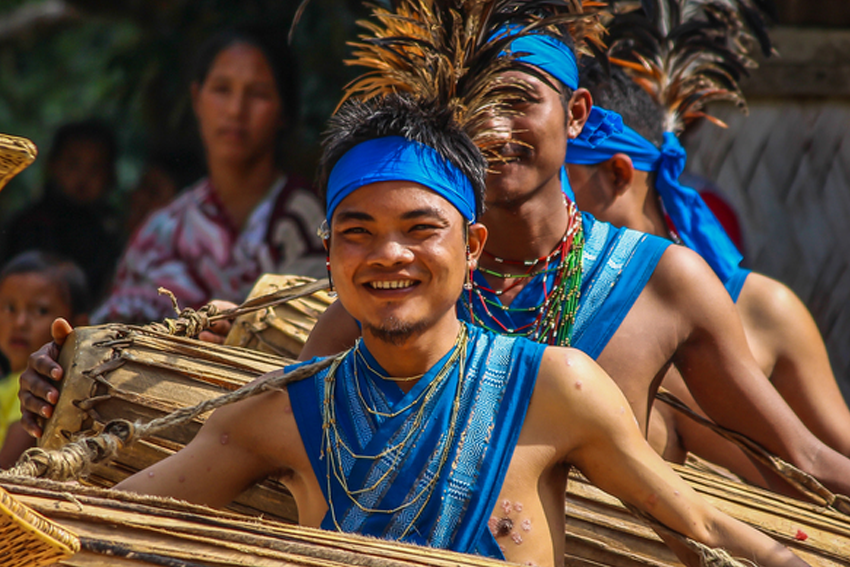
World Land Trust’s mission is simple and consistent: Helping people across the world protect and restore their land to safeguard biodiversity and the climate. Since our foundation in 1989, we have recognised that lasting conservation is only possible when the people who live closest to the land are central to every decision.
All projects supported by World Land Trust are delivered by local partner organisations that employ local people. These partners understand the landscapes, the pressures they face, and the knowledge held by communities who have lived with these ecosystems for generations.

Locally Led Conservation in Practice
There is no single model for protecting land. In many regions it is possible to purchase land to create permanent reserves. In others, our partners work with Indigenous and community groups to designate areas for long term stewardship when purchase is not possible or not the best approach.
Each project is unique. The model used depends on the landscape, the communities who live there, and the specific threats to biodiversity. The guiding principle is that conservation must fit the place rather than the other way round.

A Shared Commitment
World Land Trust partner’s, which included representatives from Africa, Asia, Central and South America, along with members of WLT collaborated on a shared statement setting out principles for engaging with and supporting local communities. This statement gained approval across all of the WLT partners network.
The statement:
We recognise the 30×30 principles but believe these can only be adopted and delivered if we endorse an approach that is participatory, inclusive, and which recognises local and indigenous power structures and elevates local and indigenous knowledge.
Our approach must also work towards multi-species justice; enhance and commit to equitable benefit sharing and ensure that our actions move beyond a ‘do no harm’ approach which is outdated. Moreover, no decision about people will be taken without people. This involves participatory planning processes.”
“It is also important to note that colonialism is having ongoing effects worldwide, particularly in areas we work as WLT. Recognising this is the first step to taking action to change things”.
These principles guide how we collaborate with our partners and how they in turn work with the communities who lead conservation on their own lands.
Aligning with Global Human Rights Standards
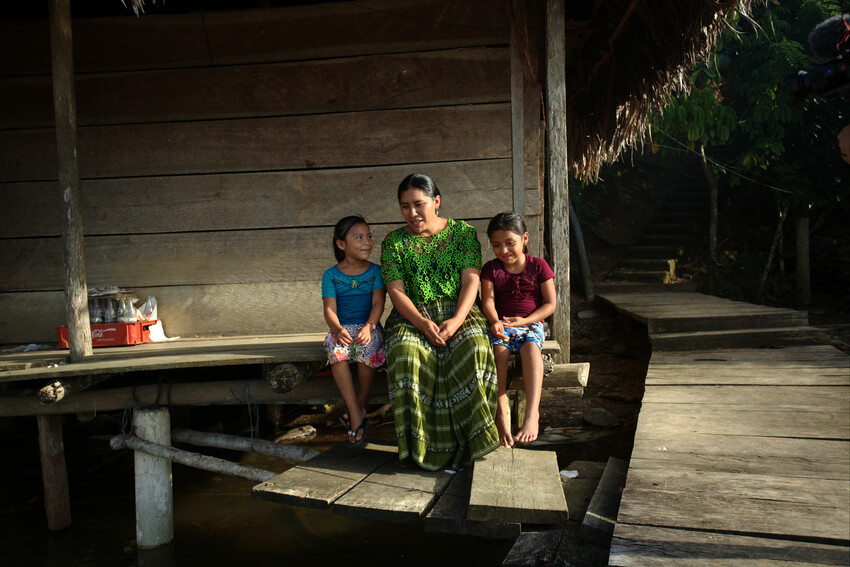
Following the creation of the joint Environmental Justice Statement, World Land Trust has signed up to the United Nations “Core Human Rights Principles for Private Conservation Organizations and Funders”, which are due to launch at the end of 2024.
What these principles mean
In brief, the Core Human Rights Principles set out how conservation organisations and funders should uphold human rights in all areas of their work. They highlight requirements for transparency, accountability, meaningful participation, equitable treatment, and protection from harm. The principles ensure that conservation actions respect the rights, knowledge, and leadership of Indigenous Peoples and local communities.
World Land Trust is aligned with these principles and is committed to ensuring that all partners and supported projects follow the same high standards.
More information from the United Nations Environment Programme can be found here: Core Human Rights Principles for Private Conservation Organizations and Funders | UNEP.