


Least Concern
In accordance with IUCN criteria, a species is considered to be Least Concern if it does not qualify for Critically Endangered, Endangered, Vulnerable or Near Threatened. Widespread and abundant taxa are included in this category.
Species data
Class
Aves
Order
Passeriformes
Family
Scotocercidae
Scientific Name
Erythrocercus livingstonei
Reserve locations
-
Description
The Livingstone’s Flycatcher is found only in south-eastern Africa.
A small flycatcher, 10–12 cm long, this species has a distinctive rufous tail with a broken black subterminal band formed by a single black spot on each tail feather. The underparts are bright yellow to deep golden-yellow, and the upperparts yellowish-green with a sulphur-yellow rump merging into tawny uppertail-coverts, and dark brown upperwing-coverts and remiges fringed with yellowish-green. The nominate race livingstonei has a pale grey forehead to hindneck, lores, and ear-coverts. However, the race found in southern Tanzania, southern Malawi, and northern Mozambique, thomsoni, has a greenish-yellow head and face, whitish lores, and chin, and pale yellow cheeks and throat.
Both sexes look alike, but juveniles can be distinguished by chestnut on the inner greater coverts, a yellower head, and usually no black subterminal band on the tail.

Behaviour
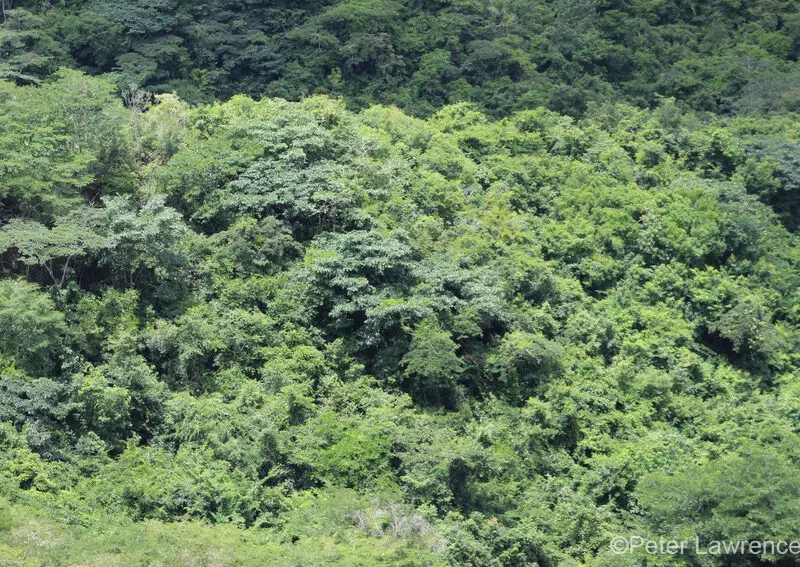
Habitat
Threats and Conservation
Livingstone’s Flycatcher is considered uncommon to locally common throughout their extremely large range, and the population appears to be stable. Therefore, this species is listed as Least Concern by the IUCN.
In Tanzania and starting in 2021, WLT is supporting our partner TFCG’s project to save coastal forests that are a confirmed home for the Livingstone’s Flycatcher.